
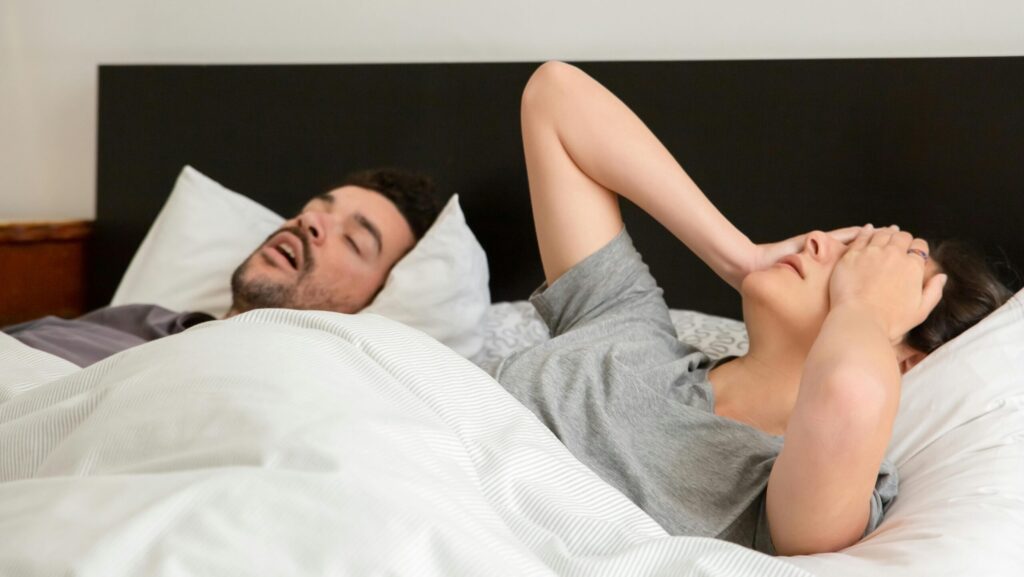
Last month, I had one of those mornings where you wake up tired and immediately start doing mental math: But I went to bed early… so why do I feel like I didn’t sleep at all? I checked my Fitbit out of habit, saw my sleep stages, then noticed a few odd-looking oxygen-related spikes. Nothing dramatic. Just enough to make me wonder if my sleep was being interrupted in ways I couldn’t feel in the moment. And that led me to the question a lot of people end up asking: can a Fitbit detect sleep apnea?
The practical answer is this: a Fitbit can’t diagnose sleep apnea—but it can surface clues that may be worth paying attention to, especially if you already suspect something’s off.
So… can a Fitbit detect sleep apnea?
Not in the medical sense. Wearables like Fitbit are built for wellness tracking, not diagnosis. Sleep apnea is a medical condition defined by breathing events that meet specific clinical criteria. To confirm it, a clinician typically relies on a sleep study (either at home with medical-grade equipment or in a lab).
That said, “can’t diagnose” doesn’t mean “can’t help.” A Fitbit can highlight patterns that sometimes show up alongside sleep-disordered breathing—things like fragmented sleep, shifts in overnight oxygen trends, and irregular breathing-related metrics. Those signals can be useful for awareness and for having a more informed conversation with your doctor. They’re just not definitive on their own.
What Fitbits track that’s relevant (and what it means)
Different Fitbit models and features vary, but the top themes you’ll see discussed around this topic usually cluster into a few core metrics:
- Sleep stages (light, deep, REM)
Fitbit estimates sleep stages using movement and heart-rate patterns. If your sleep is repeatedly fragmented—lots of wake-ups, frequent tossing and turning, shorter stretches of deep sleep—that can be a sign something is interrupting your rest. It’s not specific to sleep apnea (stress, alcohol, temperature, kids, pets, pain, reflux, and a dozen other things can do it too), but persistent disruption is a useful data point. - Oxygen trends (often shown as SpO₂ patterns or variation)
Some Fitbits can estimate overnight oxygen saturation trends. Sleep apnea can cause drops in oxygen during breathing interruptions, so oxygen patterns sometimes raise a flag. The key word is “sometimes.” Not everyone with sleep apnea has obvious oxygen drops, especially in milder cases. And oxygen readings from a wrist sensor can be imperfect, especially if the device fit is loose or the sensor loses consistent contact. - Respiratory rate
Fitbit may show an average respiratory rate during sleep. A consistent shift away from your personal baseline might be meaningful, but it still doesn’t point specifically to sleep apnea. - Snoring indicators (depending on your setup or companion apps)
Snoring is common and can be associated with sleep apnea, but snoring alone doesn’t confirm it. Plenty of people snore without apnea, and some people have apnea without loud snoring.
In short: Fitbit can give you context. It can’t give you a diagnosis.
The big limitation: Fitbit doesn’t measure apnea the way a sleep test does
When clinicians evaluate sleep apnea, they look at how often breathing events happen per hour (commonly discussed as an index of events per hour). They’re also measuring things Fitbit typically can’t capture accurately from your wrist—like airflow, chest effort, and precise oxygen saturation over time, along with brain-wave activity that confirms sleep vs. wake.
This matters because it explains two frustrating realities:
- Your Fitbit can look “normal” and you could still have sleep apnea.
- Your Fitbit can look “concerning” and you might not have sleep apnea.
Wearable data is best viewed as directional. It can encourage you to investigate further, but it can’t rule anything in or out.
Why wearables can create false alarms (or miss real issues)
If you’ve ever woken up to weird sleep stats after a night where your Fitbit shifted around your wrist, you already know one major limitation: sensor contact. Wrist-based readings can get noisy if the band is too loose, too tight, or if you sleep in a position that disrupts the signal.
There are also normal reasons oxygen or sleep patterns can look “off” that aren’t sleep apnea, such as:
- Nasal congestion or a cold
- Alcohol close to bedtime
- Sleeping on your back
- High room temperature
- Certain medications
- Anxiety or a stressful season of life
- A new sleep environment (travel, guests, noise)
So if you see a strange chart once, don’t panic. Look for repeat patterns over time.
What to look for in your Fitbit data (without spiralling)
If you want to use Fitbit as a sensible “should I pay attention to this?” tool, focus on trends and clusters—multiple signals lining up over multiple nights.
Patterns that may be worth noting include:
- Repeatedly fragmented sleep (frequent awakenings, lots of restlessness)
- Consistently unrefreshing sleep paired with “okay” bedtime duration
- Overnight oxygen patterns that show frequent variation across many nights
- Snoring plus daytime sleepiness, morning headaches, or brain fog
- A clear mismatch between time in bed and how you feel during the day
Again, none of these proves sleep apnea. But they can help you decide whether it’s time to talk to a professional.
When to stop tracking and book an appointment
If you suspect sleep apnea, the most helpful next step is a proper medical evaluation. Signs people commonly bring up include:
- Loud snoring (especially if it’s disruptive to a partner)
- Witnessed breathing pauses (someone says you stop breathing or gasp)
- Waking up choking or short of breath
- Morning headaches
- Significant daytime sleepiness or dozing off easily
- Trouble concentrating, irritability, or persistent fatigue
- High blood pressure or other risk factors
If any of that resonates, wearable data can support the conversation, but it shouldn’t be the deciding factor. A sleep study—home-based or in-lab, depending on your situation—is what can actually confirm what’s happening.
If you’re not sure how to bring it up, keep it simple: describe how you feel, mention any symptoms (snoring, gasping, headaches, daytime fatigue), and say you’ve noticed repeated sleep disruption patterns over weeks. If you want, you can summarize your Fitbit trends in plain language rather than trying to “diagnose yourself” with screenshots.
Can Fitbit help after a diagnosis?
Yes, and this is where wearables can be genuinely useful. Once you’re treated—whether that’s through lifestyle adjustments, positional changes, a dental device, CPAP therapy, or other clinician-recommended approaches—it can be helpful to track broad outcomes like:
- Are you sleeping more consistently?
- Do you have fewer awakenings?
- Is your sleep duration stabilizing?
- Do you feel more alert during the day over time?
Just keep expectations realistic. Fitbit can reflect “how your sleep looks and feels overall.” Treatment devices and clinical follow-ups are what measure whether breathing events are actually being controlled.
The most useful way to think about it
If you want a clean mental model, think of Fitbit as an early-warning system—not a medical verdict.
- Fitbit can hint that your sleep is being disrupted.
- A sleep study can explain why, measure severity, and guide treatment.
So yes: a Fitbit can help you notice patterns that might be consistent with sleep apnea. But if you’re worried—or if your symptoms are persistent—the best move is to use that curiosity as a nudge toward proper assessment, not as a final answer.