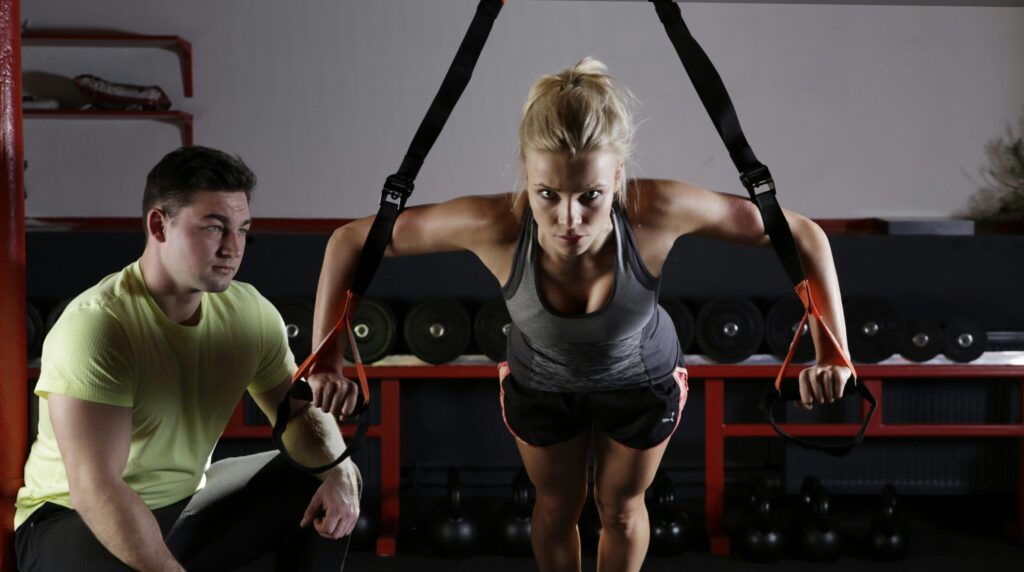

Many people join gyms to stay healthy and improve their physical fitness, but quit after just a few days. One of the biggest reasons? They don’t stick around long enough to develop a proper routine. Here’s a beginner’s guide on how to get started at the gym.
What is a gym timetable? And why is it important?
A gym timetable is a plan that determines the following:
- Which day is for which body part?
- Which exercises should I do?
- How many sets and reps should I do?
- How long should the workout be?
A gym timetable is essential because beginners often make these mistakes:
- Exercising without a plan
- Training the same body part every day
- Lifting heavy weights too soon
- Not warming up
- Sometimes, they end up overtraining.
What will a proper gym timetable achieve?
- It provides a full-body workout.
- The risk of injury is reduced.
- Results are better and visible sooner.
- Motivation remains high.
- This helps you maintain consistency.
Basic rules before starting a workout.
Before starting at the gym, there are some important rules that need to be followed. This is essential for everyone, whether you are a beginner or an experienced gym-goer.
- Warm-up
Always warm up for 5-10 minutes before starting your workout. This will let your body know that you are about to work out at the gym, which will help eliminate any laziness you might be feeling.
- Treadmill or cycling
Using a treadmill or cycling will help loosen up your body, and you’ll feel refreshed and energized.
- Skipping
Skipping rope is very important for warming up, and it increases your body’s stamina, which improves your ability to exercise.
- Sleep and rest are essential
First, make sure you’ve had 7-8 hours of sleep, or at least 6 hours, because you need energy to work out at the gym. If you’re already tired and still go to the gym, it can be dangerous for you. If you want to work out at the gym, getting 7-8 hours of sleep is absolutely essential.
- Start with light weights.
When you start lifting weights, begin with light weights and then gradually increase the weight; this is the correct approach.
Best Gym Timetable for Beginners
Now you will learn which exercises to do on which days and how many times to do each exercise, so you understand what benefits you will get.
Here you will find the complete timetable for the entire week.
Day 1: Chest + Triceps
For beginners, the first day is the most important because this is when the body gets used to exercising. Training the chest and triceps together is considered ideal because both muscles work together in pushing movements. This means that both the chest and triceps are automatically exercised simultaneously, making it a perfect combination for a workout day.
Exercises:
- Bench Press – 3 sets × 10 reps
- Incline Dumbbell Press – 3 × 10
- Chest Fly – 3 × 12
- Triceps Pushdown – 3 × 12
- Overhead Extension – 3 × 10
Day 2: Back + Biceps
In the gym timetable for beginners, the second day is the most important because the back is the largest muscle group in the body, and a strong back makes the entire body look powerful. Since the biceps are automatically used during back exercises, training them on the same day is considered scientifically correct.
Exercises:
- Lat Pulldown – 3 × 10
- Seated Row – 3 × 10
- Dumbbell Row – 3 × 10
- Barbell Curl – 3 × 12
- Hammer Curl – 3 × 10
Day 3: Legs
In a gym timetable for beginners, Leg Day is the most important day, but it’s also the one most often ignored. Most people only want to work on their chest, biceps, and shoulders, but a strong body is impossible without strong legs. Someone with strong legs has a strong body overall, which is why Leg Day is so crucial.
Exercises:
- Squats – 3 × 10
- Leg Press – 3 × 12
- Leg Curl – 3 × 10
- Leg Extension – 3 × 12
- Calf Raises – 3 × 15
Day 4: Shoulders + Abs
For beginners, a shoulder and abs day is an essential part of the gym timetable because if you want to give your body an athletic look, you need to work on your shoulders and abdominal muscles.
Exercises:
Shoulders:
- Shoulder Press – 3 × 10
- Lateral Raises – 3 × 12
- Front Raises – 3 × 10
Abs:
- Crunches – 3 × 15
- Leg Raises – 3 × 12
- Plank – 30 सेकंड × 3
Day 5: Full Body + Cardio
In a gym timetable for beginners, the full-body + cardio day can be called a “smart training day.” This is because it involves light training of the entire body, which helps reduce stiffness from the previous four days and burns extra calories. In simple terms, the full-body + cardio day doesn’t exhaust the body; rather, it prepares it.
Exercises:
- Push-ups
- Bodyweight squats
- Pull-downs
- Light dumbbell exercises
Then 20–30 minutes cardio:
- Treadmill
- Cycling
- Cross trainer
Day 6: Light cardio and full-body stretching
This is the best approach for beginners. The main purpose of the sixth day in a beginner’s gym timetable is to allow the body to recover, not to tire it out again. Therefore, light cardio exercises are performed on the sixth day.
Exercises:
Light cardio
- Treadmill slow walk
- Cycling
- Cross trainer (low resistance)
- Outdoor walking
Body Stretching
- Neck stretch
- Shoulder stretch
- Back stretch
- Hamstring stretch
- Quad stretch
Day 7 Complete Rest Day
No exercise is done on this day because the seventh day is solely for rest. After six days of exercise, the body’s cells break down, and the seventh day allows them to repair and regenerate. This process of muscle breakdown and rebuilding is essential for building a stronger body, which is why the seventh day is also crucial.
- No gym
- No cardio
- Just sleep, food, and water
Gym Timetable for Beginners (Weekly Workout Plan)
You can easily understand this from the table.
| Day | Workout Focus | Exercises |
| Day 1 | Chest + Triceps | Bench Press (3×10)Incline Dumbbell Press (3×10)Chest Fly (3×12)Triceps Pushdown (3×12)Overhead Extension (3×10) |
| Day 2 | Back + Biceps | Lat Pulldown (3×10)Seated Row (3×10)Dumbbell Row (3×10)Barbell Curl (3×12)Hammer Curl (3×10) |
| Day 3 | Legs | Squats (3×10)Leg Press (3×12)Leg Curl (3×10)Leg Extension (3×12)Calf Raises (3×15) |
| Day 4 | Shoulders + Abs | Shoulder Press (3×10)Lateral Raises (3×12)Front Raises (3×10)Crunches (3×15)Leg Raises (3×12)Plank (30 sec × 3) |
| Day 5 | Full Body + Cardio | Push-upsBodyweight SquatsPull-downsLight Dumbbell Exercises+ 20–30 min Cardio (Treadmill / Cycling / Cross Trainer) |
| Day 6 | Recovery Day | Light Cardio (20–30 min)Treadmill slow walkCyclingCross trainer (low resistance)Full body stretching |
| Day 7 | Complete Rest | No gymNo cardioOnly sleep, food, and water |
You can also follow this pattern.
Day 1 Chest + Triceps
Day 2 Back + Biceps + Abs
Day 3 Legs + Shoulders
And then do it again.
Day 4 Chest + Triceps
Day 5 Back + Biceps + Abs
Day 6 Legs + Shoulders
The last day of the week
Day 7 Rest Day
Alternative Gym Timetable (3-Day Split, Repeat Cycle)
| Day | Workout |
| Day 1 | Chest + Triceps |
| Day 2 | Back + Biceps + Abs |
| Day 3 | Legs + Shoulders |
| Day 4 | Chest + Triceps |
| Day 5 | Back + Biceps + Abs |
| Day 6 | Legs + Shoulders |
| Day 7 | Rest Day |
The biggest mistake that beginners make
Some people think they can build a great physique in just one month and then start using wrong methods, such as…
- Lifting too much weight
- Working out at the gym every day of the week and not giving your body any rest.
- Taking medication or injections to lift heavier weights.
- Ignoring the diet
Are supplements necessary?
No, supplements are not necessary for beginners. Supplements are needed by experienced individuals.
Conclusion
If you want to go to the gym but don’t have a good schedule, this gym timetable for beginners will help you. It’s simple and effective, will enhance your initial experience, and help you achieve your goals faster. It will keep you motivated and help you build a great physique.
And the man who works out at the gym should always remember: No consistency, No results.
FAQs: Questions related to gym schedules
1. How many days a week should beginners go to the gym?
Beginners should go to the gym 4 to 6 days a week. This allows enough time for training as well as proper recovery. Going every single day without rest can lead to overtraining and injuries.
2. Is this gym timetable for beginners suitable for weight loss?
Yes, this gym timetable for beginners is suitable for both weight loss and muscle building. Strength training helps build muscle, while cardio helps burn fat. Together, they create the best results for beginners.
3. How long should a beginner workout session be?
A beginner workout session should be around 45 to 60 minutes. This includes warm-up, strength training, cardio, and cool-down. Working out for too long can reduce energy and motivation.
4. Should beginners use heavy weights in the gym?
No, beginners should always start with light weights and focus on learning proper form. Heavy weights should only be used after gaining enough strength and experience.
5. Is it necessary to take supplements for beginners?
No, supplements are not necessary for beginners. A balanced diet with enough protein, carbohydrates, and water is more than enough to see good results in the beginning.