 Kelowna, BC
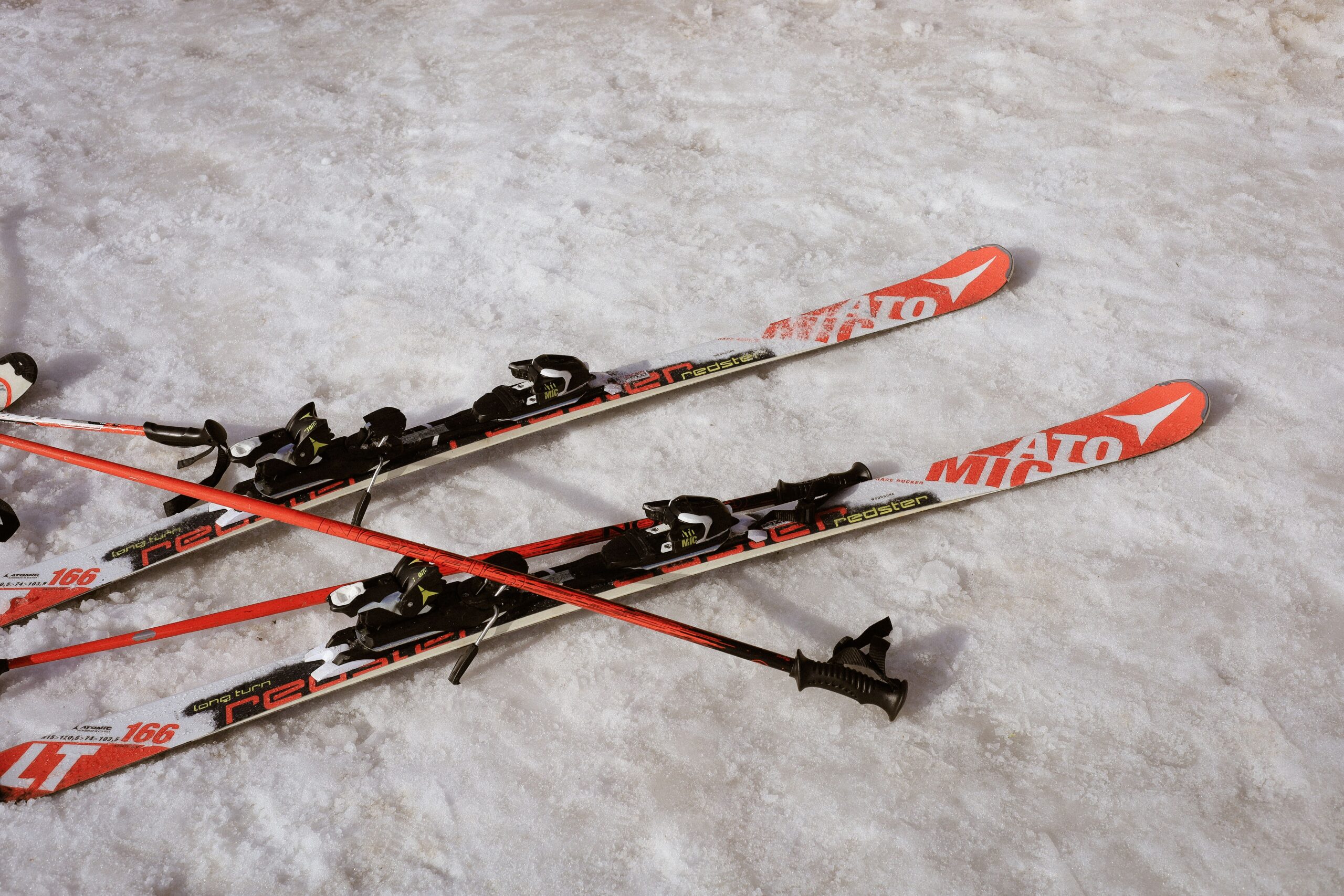
Every December I see the same injury. Someone who hasn’t done a squat since April drives up to Big White on opening weekend, skis six hours on fresh legs and fresh snow, and by Sunday afternoon their quads have nothing left. That’s when the knee goes. Not on the hard run. On the easy one at 3 p.m. when the legs stop protecting the joint.
Skiing is a leg day. A long one, at altitude, in the cold, with a lot of eccentric loading: muscles lengthening under load as you absorb every bump. Nothing else in normal life trains that. So you have to train it on purpose.
This is the block behind my Big White Legs program. Ten weeks, twice a week, 40 to 50 minutes. It fits alongside whatever else you’re doing.
What skiing actually asks of you
- Quads and glutes that can hold a bent-knee position for a long time and absorb repeated impact.
- Hips that can move side to side under load without the knee caving in.
- Enough single-leg balance to recover when one ski catches.
- A core that keeps your upper body quiet while the legs work.
- Aerobic fitness to do it for six hours at 1,800 metres, where there’s less oxygen than downtown.
The plan trains each of those.
Weeks 1 to 3: foundation
Two sessions a week. Goblet squats, three sets of 12, slow on the way down. Reverse lunges, three sets of 10 each leg. Romanian deadlifts with dumbbells, three sets of 10. Side planks, 30 seconds each side, three times. Wall sit: as long as you can, twice. Write down your wall-sit time; it’s your progress marker.
Finish with 15 minutes of anything that gets you breathing: bike, stairs, or a brisk walk up Dilworth.
Weeks 4 to 6: single leg and lateral
This is where knee protection is built. Add step-ups onto a box or a park bench, three sets of 10 per leg, controlling the step down. Lateral lunges, three sets of 8 per side. Single-leg Romanian deadlifts, light, three sets of 8. Skater hops: side to side, sticking the landing, three sets of 20 seconds.
Keep the squats and the wall sit. Your wall-sit time should be up by 30 percent from week 1.
Where to do the cardio. October and November in Kelowna are perfect for hills. Knox Apex Trail, walked hard, twice a week, is the single best ski-prep cardio in the city. It’s steep, it’s uneven, and going down loads the quads eccentrically exactly the way skiing does.
Weeks 7 to 9: endurance and power
Now we make it last. Squats go to sets of 20. Wall sits go to three rounds. Add jump squats, three sets of 8, landing soft and quiet. Add a “ski tuck” circuit: 40 seconds wall sit, 20 seconds skater hops, 40 seconds reverse lunges, 20 seconds rest, five rounds. It’s unpleasant. It’s also almost exactly what a long mogul run feels like.
Cardio sessions go to 30 minutes, and if you can, add a third short one.
Week 10: taper and ski
Drop everything to one light session. Opening weekend should be day one of skiing, not day one of recovery from training.
Common mistakes
Only training quads. Skiers who do nothing but squats and wall sits arrive strong in one direction and weak in every other. The lateral and single-leg work in weeks 4 to 6 is the part people skip and the part that protects knees. Don’t skip it.
Starting in November. Ten weeks means October. Starting three weeks before opening day gives you sore legs on opening day, which is worse than nothing.
Ignoring the upper body entirely. You don’t need a lot, but a couple of sets of rows and push-ups each session keeps your shoulders ready for poling, pushing out of lift lines, and the occasional fall.
On the mountain
Your legs will be ready. Your judgement still needs managing. The first day, quit while you still feel good, not when you’re tired. Take a real lunch. Drink more water than you want; altitude and cold both dehydrate. Stretch your hip flexors at the end of the day; they’ve been shortened for six hours in ski boots.
And for the rest of the season, keep one strength session a week going. Ski legs decay faster than they build.
If you snowshoe or ski cross-country instead
Same plan, less emphasis on the jump work, more on the cardio. The Big White Nordic trails and the snowshoe loops from the village are as hard as any summer hill and the aerobic block should reflect that.
The knee doesn’t go on the hard run. It goes on the easy one at 3 p.m. when the legs stop protecting it.
The Big White Legs program is this plan written out session by session with videos. If you want it done for you, it’s there. If not, everything you need is above. Start the first week of October.
Want this turned into a plan?
Programs are PDFs you can start today. From $69 CAD.