 Kelowna, BC
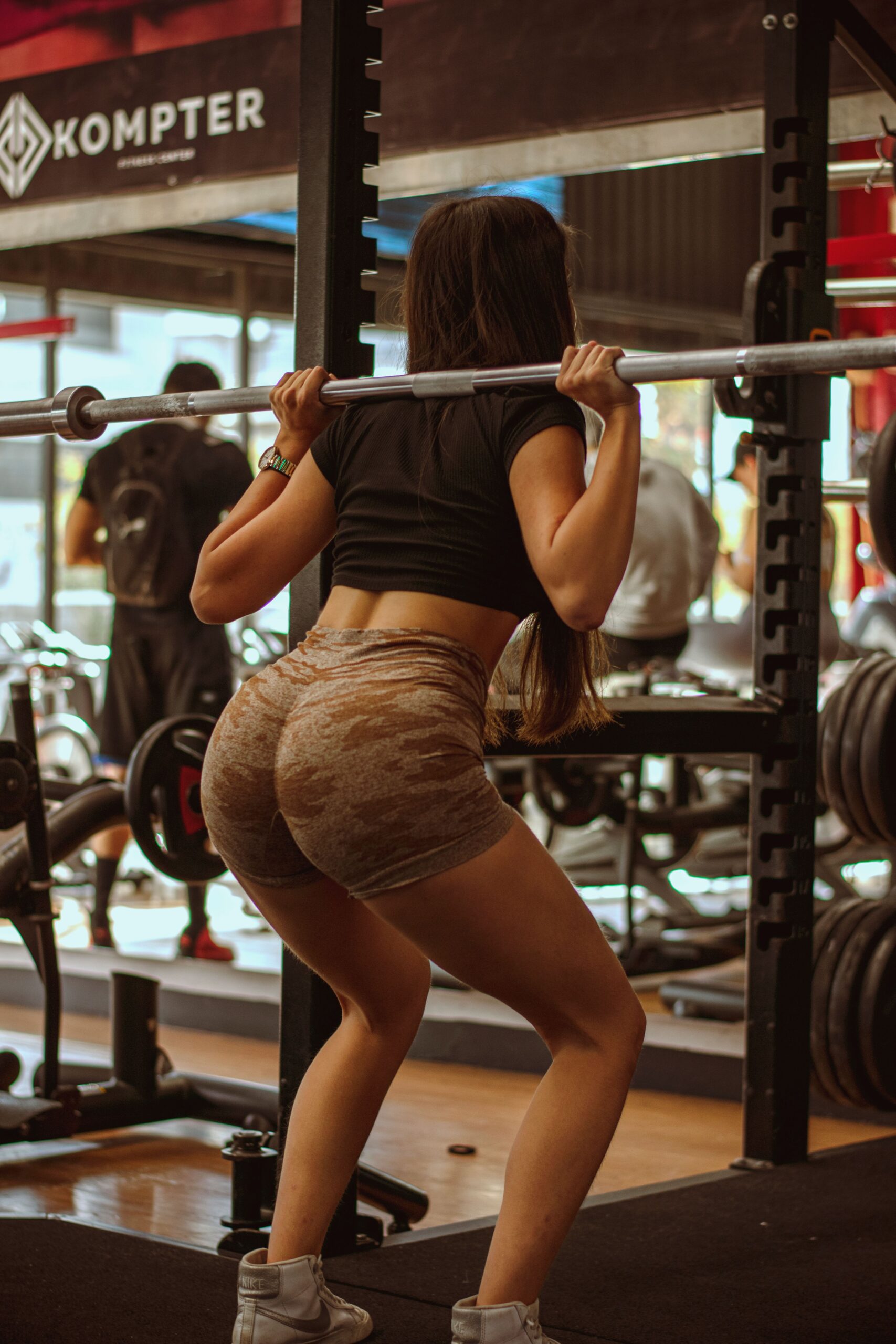
Every summer, sometime in July, the same thing happens. People who were training beautifully in May start missing sessions. They’re not lazy. It’s 34 degrees at 5 p.m., or the sky has turned that flat orange and the app says the air is bad, and the sensible part of their brain says stay inside. The sensible part is right. What’s missing is a plan for what to do instead.
I’ve trained through enough Kelowna summers to have a system. Here it is.
Heat: the real risks
Above about 30 degrees, your body diverts blood to the skin to cool you and away from working muscles. Heart rate climbs at the same pace. Effort feels harder and it is harder. Above 32, with the dry Okanagan sun, dehydration comes quickly because sweat evaporates before you notice it.
Heat illness is not dramatic at first. It’s a headache, a heavy feeling, goosebumps in the heat, or feeling cold. If any of those show up mid-session, stop, get shade, drink, and get cool. Don’t push through. There’s no medal for finishing a Tuesday workout.
The heat rules
- Train before 8 a.m. or after 7 p.m. Kelowna cools off at night more than coastal cities; use it.
- Start already hydrated. A glass of water with a pinch of salt 30 minutes before, not a litre chugged at the trailhead.
- Cut intensity 10 to 20 percent for the first two weeks of real heat. Your body adapts to heat in about 10 to 14 days of exposure, and then it’s much easier.
- Move the hard stuff to the lake. Sand sprints, swimming, and a cold finish in Okanagan Lake turn a hot day into an advantage.
- Wear less than you think, light colours, a hat. Sunscreen on the parts you forget: ears, neck, tops of feet.
My summer schedule. Tuesday and Thursday: Knox at 6:15 a.m. Saturday: Greenway at 7, finish by 8:30. Everything else indoors, at a gym with real air conditioning, between 11 and 3. Evening sessions only at the beach.
Smoke: read the number, not the sky
Wildfire smoke is a different problem. Heat you can feel; the fine particulate in smoke you mostly can’t, and it does damage whether your session feels fine or not. Exercise makes it worse, because you’re breathing harder and deeper.
Use the Air Quality Health Index, not the colour of the sky. Environment Canada publishes it hourly for Kelowna. My cut-offs:
- AQHI 1 to 3: train normally.
- AQHI 4 to 6: outdoor sessions shorter and easier. Nothing above conversational pace outside. Anyone with asthma, a heart condition, or who is pregnant moves indoors.
- AQHI 7 or above: everyone indoors. No exceptions, no “it doesn’t seem that bad.”
- AQHI 10+: rest day or very light indoor movement. Even indoor air in older buildings is poor on these days.
Masks: an N95 fitted properly filters smoke particulate; a cloth mask does nothing. But an N95 makes hard breathing uncomfortable, so it’s for walking to your car, not for intervals.
What to do inside instead
This is where most people’s plan falls apart. “Go to the gym” isn’t a plan if you’ve never trained inside.
For every outdoor session in my programs, there’s an indoor swap. Hill repeats become a StairMaster at a hard, steady effort in five-minute blocks. The long Greenway walk becomes an incline treadmill walk at 8 to 12 percent, which is honestly better for your glutes anyway. Tempo runs become a bike or rower interval: 4 minutes hard, 2 easy, six rounds. Strength doesn’t change at all.
Smoke weeks are also a good time to do the things you skip: mobility, the physio exercises you were given in March, sleep.
Kids, older adults and anyone with a condition
The cut-offs above are for healthy adults. Children breathe faster relative to their size and are more affected by both heat and smoke; move youth sport indoors at AQHI 5, not 7. Anyone over 65, pregnant, or with asthma, COPD or heart disease should treat AQHI 4 as the line, and check in with their doctor about what’s reasonable on the bad days. If you’re coaching a group, the most vulnerable person in it sets the rule for everyone.
Air inside
On heavy smoke days, indoor air matters too. Gyms with newer HVAC and proper filtration are noticeably better than older buildings with open doors. If you’re training at home, a HEPA purifier running in the room for an hour before you start makes a real difference, and it’s a cheap piece of kit compared to a week of coughing.
The mental part
The frustrating thing about smoke season is that you can’t schedule it. A week of clear skies, then ten days of AQHI 8. The people who come through summer fit are not the ones who train through anything. They’re the ones who adjust quickly and don’t treat a missed hill session as a failure.
Fitness is built over months. A bad fortnight in August doesn’t undo April through July. It just means September on Knox is going to feel very, very good.
The people who come through summer fit are the ones who adjust quickly, not the ones who train through anything.
Want this turned into a plan?
Programs are PDFs you can start today. From $69 CAD.