My uncle never really “retired” in the way people sometimes talk about retirement.
He stopped working full-time in his early sixties, sold the business, cleaned out the office, handed back the keys, and finally stopped taking phone calls during dinner, but he didn’t drift into some vague version of old age. In some ways, he became more himself.
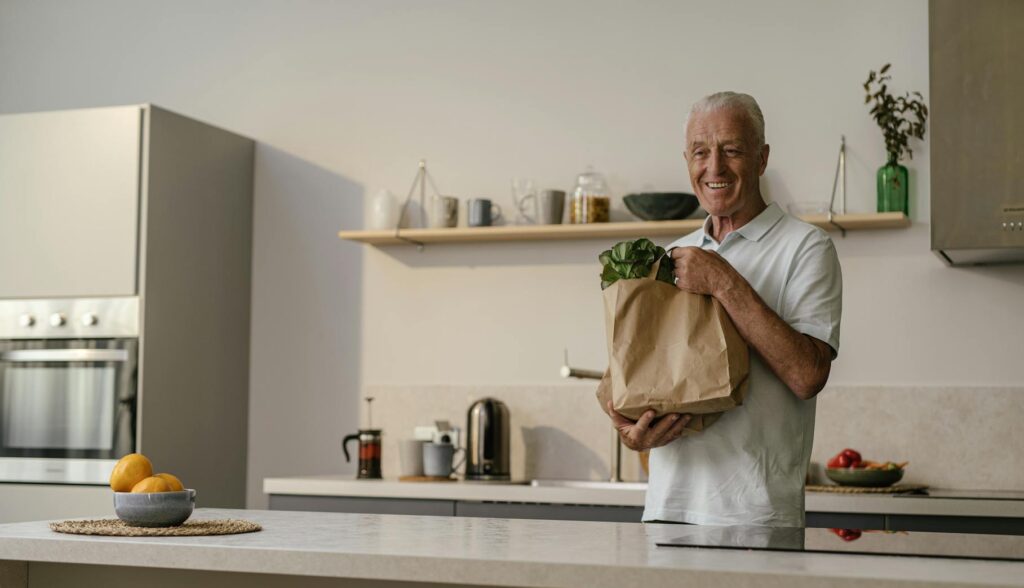
He started walking every morning through the neighbourhood, usually with a coffee in one hand and a jacket he probably should’ve replaced ten years earlier. He cooked more often, helped his daughter with school pickups, volunteered at the community centre a couple of times a week, and still met his old friends for lunch, though he eventually switched from burgers every time to soup, salad, or whatever looked less likely to ruin the rest of his afternoon.
He lived well because he made choices that helped him keep living well, which is the part of retirement planning people sometimes miss when the conversation stays focused only on money.
We talk about savings, pensions, investments, tax, CPP, OAS, and estate planning because those are the obvious pieces of retirement planning. You need to know how much income you can draw, how your accounts will be taxed, and whether your money can support the life you want. But retirement isn’t only a financial event. It’s also a health event.
Your body comes with you into retirement, along with your habits, your routines, your relationships, and your sense of purpose. If the plan is only financial, it may leave out some of the most important parts of the life you’re trying to build.
Why health belongs in the retirement conversation
A retirement plan usually starts with numbers, which makes sense because people want to know whether they can afford to stop working, travel, help their kids, support grandchildren, give to charity, or stay in their home.
But health affects all of those decisions.
It affects how long you may be able to work, how much energy you have to enjoy retirement, how comfortable travel may feel, whether hobbies remain possible, what kind of housing makes sense, and how much support you may need later in life.
A person who retires at 62 in good health may experience retirement very differently than someone who enters the same stage already tired, stressed, inactive, or dealing with preventable health issues. Of course, no one controls everything. Illness can arrive without warning, genetics play a role, and life isn’t perfectly manageable, but daily habits can still influence how much independence, energy, and enjoyment a person carries into later years.
Healthy living can give you more options. It can help protect your independence. It can make retirement feel like a continuation of life rather than a sudden slowdown.
That’s why retirement should be planned with the whole person in mind.
Healthy eating isn’t a side issue
Food becomes even more important in retirement, partly because routines change.
When people are working, their day often has a built-in schedule: breakfast before work, lunch at a certain time, dinner after getting home. Retirement can loosen that pattern, and while that can feel freeing, it can also lead to grazing, skipped meals, too much takeout, or eating out of boredom.
Healthy eating doesn’t need to be complicated, strict, or joyless. It can mean cooking at home more often, eating enough protein, getting more vegetables into the day, drinking water, and cutting back on foods that consistently leave you feeling heavy, tired, or sluggish. It can also mean making meals social, especially for people who live alone or miss the daily contact that work used to provide.
My uncle was never the type to count every calorie, and he would’ve found that whole process irritating. But he learned a few simple rules that worked for him. He ate breakfast, cooked simple meals, kept fruit on the counter, still enjoyed dessert, and paid attention to how food made him feel afterward.
That last point is useful because retirement shouldn’t be treated as a reward system where every day becomes a weekend. There’s nothing wrong with enjoying yourself. You should. But if every meal becomes a treat, the treats stop feeling special and can start affecting your energy, digestion, mood, and ability to keep doing the things you enjoy.
A good retirement lifestyle leaves room for pleasure while still supporting the body you need for the life you want.
Movement protects freedom
Exercise in retirement doesn’t have to mean joining a gym, hiring a trainer, or training for a race, especially for people who’ve never enjoyed formal exercise.
For many people, the most useful starting point is movement that fits naturally into the day. Walking, stretching, gardening, swimming, biking, strength training, golf, playing with grandchildren, taking the stairs when it makes sense, or doing small daily tasks with a bit more intention can all contribute to a healthier retirement.
The point isn’t perfection. The point is consistency over time.
Movement helps protect balance, strength, mobility, and confidence, all of which become more important with age. Being able to carry groceries, get up from a chair, climb stairs, shovel a bit of snow, travel comfortably, or keep up with family can make a meaningful difference in daily life.
There’s also a mental side to movement. A walk can break up the day, reduce stress, create a reason to get outside, and become a social habit when it’s shared with a neighbour, spouse, sibling, or friend.
My uncle’s morning walks became the anchor of his day. He didn’t call it exercise. He called it “getting some air,” but that simple routine helped him stay active, connected, and steady without turning health into a major production.
Sometimes the best health habits are the ones that feel ordinary enough to keep.
Purpose changes the shape of retirement
One of the biggest retirement risks isn’t boredom exactly. It’s the loss of purpose that can follow when work disappears.
Work gives people more than income. It gives structure, identity, social contact, problems to solve, and a reason to get moving in the morning. Even people who are ready to retire can feel the gap when work is no longer there, especially if their career played a major role in how they saw themselves.
That gap needs to be filled with something meaningful, but meaningful doesn’t have to mean grand or impressive.
Purpose can come from family, volunteering, mentoring, faith, travel, creative work, community involvement, part-time consulting, caring for a garden, helping a neighbour, learning something new, or becoming more involved in the lives of people you care about. For some people, purpose is a busy calendar. For others, it’s a quieter life with a few steady commitments that give the week some shape.
My uncle volunteered because he liked being useful. He helped run small events, set up chairs, make coffee, and talk to people who needed a friendly face. None of it sounded impressive on paper, but it gave him a place to be, people who expected him, and a role he enjoyed filling.
A healthy retirement isn’t empty time. It’s time with direction.
Planning for the retirement you actually want
When people picture retirement, they often think in broad images such as travel, more time with family, a cottage, golf, reading, or life without an alarm clock.
Those are good starting points, but the more useful question is what kind of life will help you stay well while you enjoy those things.
That question leads to more practical planning. Where will you live if stairs become harder? Who will you spend time with during the week? What meals will you eat most often? How will you keep moving in January, not only in July? What will give your days structure? How will you protect your energy, your relationships, and your independence?
These questions are personal, but they’re also practical because they connect the retirement people picture with the daily life required to support it.
A retirement income plan can help fund your life, while a health-conscious retirement plan can help you enjoy it. A Victoria financial advisor can help. So can a Kelowna financial advisor.
Money supports the life. It isn’t the whole life
Financial planning is still essential. It helps turn retirement from a hope into a plan, and it can reduce stress, create better income decisions, and help you prepare for future care costs or family priorities.
But money alone can’t create a good retirement.
It can’t build your daily habits, maintain your friendships, protect your mobility, or decide what gives your life meaning once work becomes a smaller part of your identity.
The best retirement planning connects the financial side with the life side, which means thinking seriously about health, habits, relationships, energy, and purpose. It means asking what you want your money to make possible, while also asking what you need to do now so you’re able to enjoy those possibilities later.
My uncle is older now. He moves a little slower, repeats a few stories, and still wears that same old jacket sometimes. But he’s engaged, active, and present in his own life because he built a retirement that supported his health, and his health helped support his retirement.
That may be one of the most useful retirement lessons we can take seriously before retirement begins.