 Kelowna, BC
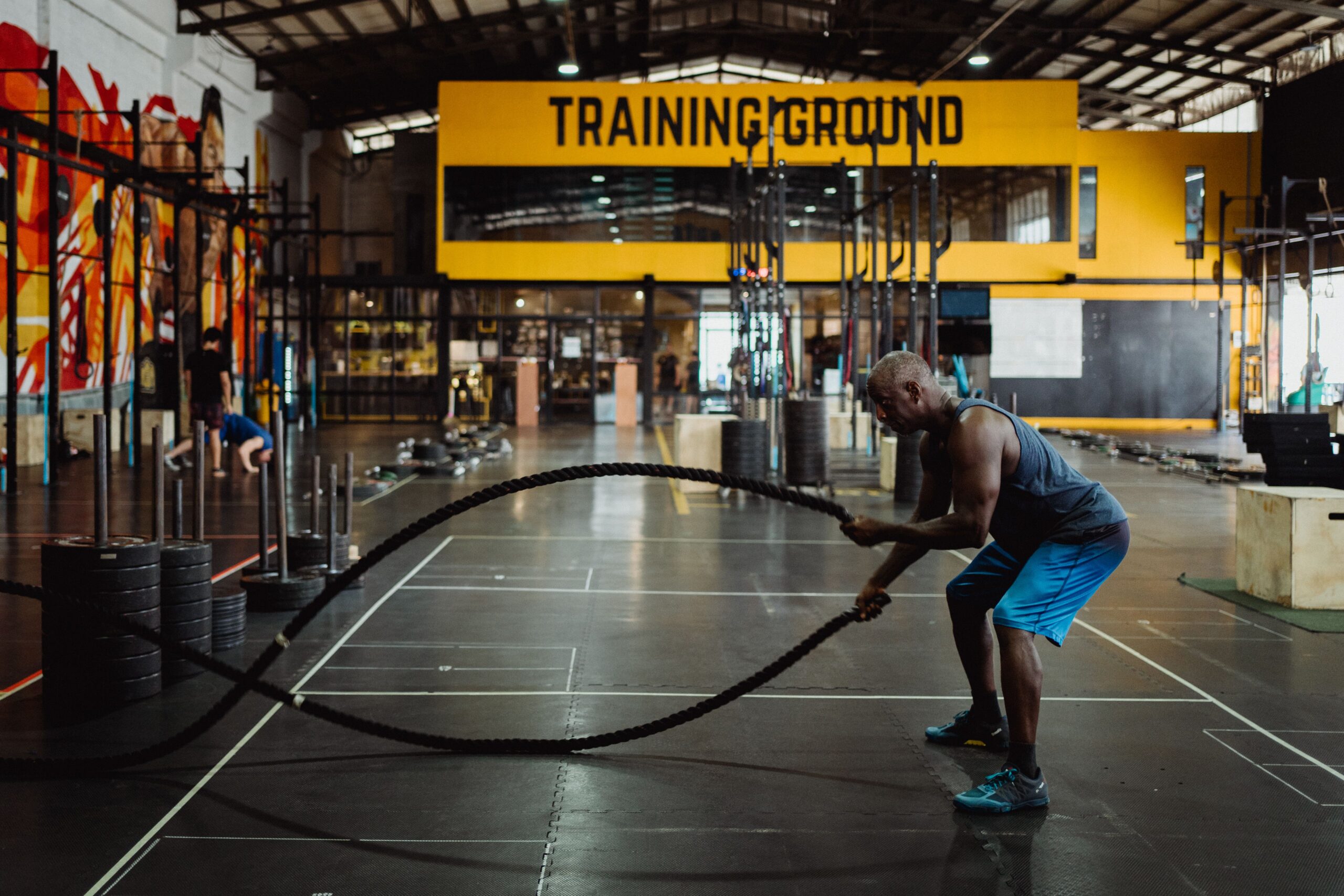
One of the most useful things I do as a trainer is say “that’s not my job.” A personal trainer in Kelowna, or anywhere, is qualified to write programs and help you follow them. We are not qualified to diagnose your knee, treat your back, or tell you what to eat if you have a medical condition. The good ones know the line and know who’s on the other side of it.
This is a guide to the professions I work alongside in Kelowna, when I refer, and what to look for. I’m deliberately not naming individual clinics here; the good ones change, and the point is to help you choose, not to advertise for anyone. Ask me directly if you want a current recommendation.
Physiotherapists
When: pain that’s lasted more than two weeks, pain that changes how you move, anything that happened suddenly (a pop, a give, a fall), and any post-surgical rehab. Also before you start training if you have a joint you’ve been managing for years. A one-hour assessment costs less than a month of training and tells us both what’s safe.
What to look for in Kelowna: a physio who exercises. Ask what they do for training themselves. Ask whether they’ll give you a program to do at the gym, not just on the table. The best sports physios here work closely with trainers and are happy to talk to me directly about what you should and shouldn’t load. That conversation makes your program much better.
Most extended health plans cover physio; check your limit at the start of the year and use it.
Registered massage therapists
When: general tightness, recovery during heavy training blocks, and stress. An RMT is not a substitute for a physio when something is injured, but for the person running the Wine Country Half or skiing every weekend, a monthly appointment keeps a lot of small problems from becoming big ones.
What to look for: an RMT who asks what you’re training for and adjusts accordingly. Kelowna has a lot of RMTs; the sports-focused ones tend to cluster near the gyms and the rec centres.
Registered dietitians
When: any medical condition that involves food (diabetes, high blood pressure, kidney issues, digestive disease), significant weight change goals, disordered eating history, or performance nutrition for a serious event. A trainer can tell you to eat more protein. A dietitian can build a plan around your bloodwork.
What to look for: “Registered Dietitian” is a protected title in BC. “Nutritionist” isn’t. Look for the RD. Interior Health runs dietitian services in Kelowna and some are covered; private RDs are also available and often covered by extended health.
A rule I use: if someone on one of my programs has been in pain for two weeks, or if the pain is getting worse rather than better, I tell them to stop and see a physio. Training through pain is how a six-week problem becomes a six-month one.
Family doctors and sports medicine
When: before starting any program if you’re over 50 and haven’t exercised in years, if you have a heart or blood pressure history, if you’re on medication that affects heart rate, or if anything feels wrong in your chest during exercise. Also for referrals: in BC, sports medicine physicians and imaging usually need a GP referral.
Kelowna has a shortage of family doctors, like most of the province. If you don’t have one, the urgent and primary care centres can handle the basics, and it’s worth getting on a waitlist.
Mental health
Training helps with anxiety and low mood; I see it every week and the research is clear. It is not a treatment on its own. If you’re using the gym to cope with something bigger, please also talk to a counsellor or your doctor. Kelowna has good options, some free through Interior Health and through the Canadian Mental Health Association’s local branch.
Chiropractors, osteopaths and the rest
I get asked. My honest position: I refer to physiotherapists first for anything involving pain or injury, because their training is the most consistent and the evidence base is the strongest. Some clients get real relief from chiropractic or osteopathic care and I don’t argue with what works for them, but I’d want a physio’s assessment alongside it, and I’d be cautious of anyone, in any profession, who tells you that you need to come back twice a week indefinitely.
How we work together
The best outcomes I see are when the trainer, the physio, and the client all know the plan. If you’re seeing someone, email me. If they’ve given you exercises, tell me what they are and I’ll explain how to fit the program around them. If I think you need to see someone, I’ll say so, and I’d rather you pause the program for rehab than train into a problem.
That’s the job. Sometimes the job is knowing it isn’t mine.
Training through pain is how a six-week problem becomes a six-month one.
Want this turned into a plan?
Programs are PDFs you can start today. From $69 CAD.