
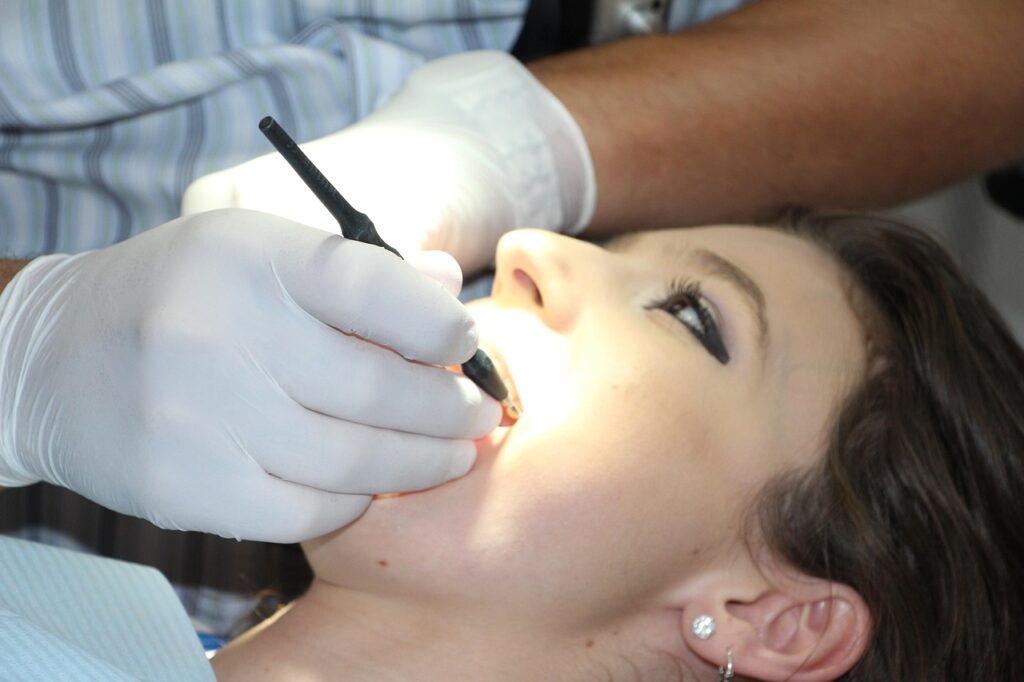
A few years ago, I had a dull ache in one of my back teeth. It came and went, especially when I drank something cold. I ignored it for a while, assuming it would pass. Eventually, I went to the dentist. After a quick exam and an X-ray, he mentioned I might need a root canal. My first thought was that it sounded serious. I also wondered if it could affect my health in other ways. That question tends to come up often, apparently.
If you’re asking whether root canals are bad for your health, you’re not alone. It’s a common concern. A lot of the top information on this topic focuses on a few key areas. It explains what a root canal is, why it’s done, whether there are risks, and where some of the health concerns come from. It also looks at alternatives and what dentists generally recommend.
Here’s a clear and balanced explanation.
What is a Root Canal
A root canal is a dental procedure used to treat infection inside a tooth.
Inside each tooth, there is soft tissue called pulp. This pulp contains nerves and blood vessels. When it becomes infected or damaged, it can cause pain and swelling.
A root canal involves:
- Removing the infected pulp
- Cleaning the inside of the tooth
- Sealing the space to prevent further infection
After the procedure, the tooth is usually restored with a filling or crown.
Why Root Canals are Done
The main goal of a root canal is to save the natural tooth.
Dentists recommend it when:
- There is deep decay
- The tooth is cracked or damaged
- Infection has reached the pulp
Without treatment, the infection can spread. This can lead to more serious dental problems, including abscesses.
Saving the tooth helps maintain normal chewing and alignment. It also avoids the need for extraction.
Are Root Canals Bad for Your Health?
Most modern dental research shows that root canals are safe and effective.
The procedure removes infected tissue and helps stop the spread of bacteria. For most people, it improves oral health rather than harming it.
The concern that root canals are bad for overall health comes from older theories. These ideas suggested that bacteria left behind in treated teeth could lead to illness elsewhere in the body.
However, current evidence does not support this link in typical cases. Modern techniques and sterilization methods are designed to reduce bacteria as much as possible.
Where the Concern Comes From
The idea that root canals are harmful dates back many years. Early studies suggested a connection between treated teeth and systemic health issues.
These studies had limitations. They were done before modern dental practices were in place. Equipment and techniques were very different.
Today, root canal procedures use improved tools and methods. This has changed how effective they are at removing infection.
Most dental and medical organizations consider root canals a safe treatment.
Potential Risks and Side Effects
Like any medical procedure, root canals do carry some risks. These are generally low but still worth understanding.
Possible issues include:
- Temporary discomfort after the procedure
- Incomplete removal of infection
- Cracks in the tooth that develop later
- Need for retreatment in some cases
In rare situations, infection can persist. This may require additional treatment.
For most people, these risks are manageable and do not lead to broader health problems.
How Root Canals Compare to Tooth Extraction
One alternative to a root canal is removing the tooth.
Extraction may seem simpler, but it comes with its own considerations:
- It leaves a gap that may need replacement
- It can affect nearby teeth
- It may require implants or bridges
In many cases, saving the natural tooth is the preferred option. It helps maintain normal function and structure.
The Role of Bacteria and Infection
A key concern people have is whether bacteria remain after a root canal.
While no procedure can remove every single bacterium, root canals significantly reduce the bacterial load inside the tooth. The sealing process helps prevent new bacteria from entering.
The body’s immune system also plays a role in managing any remaining bacteria.
This is why root canals are generally considered effective in stopping infection.
Recovery and Aftercare
Recovery from a root canal is usually straightforward.
You may experience:
- Mild soreness for a few days
- Sensitivity when chewing
Dentists often recommend:
- Avoiding hard foods for a short period
- Keeping the area clean
- Following up if symptoms persist
Once the tooth is fully restored, it can function like a normal tooth.
Long-Term Outcomes
Many root canal treatments last for years, sometimes decades.
The success of the procedure depends on:
- The extent of the original damage
- How well the tooth is restored
- Ongoing oral care
Regular dental checkups help ensure the treated tooth stays healthy.
When a Root Canal Might Not Be Enough
In some cases, a root canal may not fully resolve the issue.
This can happen if:
- The infection is extensive
- There are complex root structures
- The tooth is severely damaged
In these situations, additional treatment or extraction may be considered.
Addressing Common Myths
There are a few common misconceptions about root canals.
Myth: Root canals cause illness in the body
Modern evidence does not support this in typical cases.
Myth: It’s better to remove the tooth
Saving the natural tooth is often the preferred approach when possible.
Myth: Root canals are very painful
With current techniques, the procedure is usually no more uncomfortable than a standard filling.
Understanding these points helps reduce unnecessary concern.
When to See a Dentist
If you have symptoms such as:
- Persistent tooth pain
- Sensitivity to hot or cold
- Swelling in the gums
- Discoloration of a tooth
It’s important to get an evaluation.
Early treatment can prevent more serious problems.
Taking a Practical View
For most people, a root canal is a routine procedure that solves a specific problem. It removes infection and helps preserve the tooth.
That dull ache I mentioned earlier didn’t go away on its own. The root canal addressed the issue directly. After a short recovery, the tooth felt normal again.
If you are concerned about whether root canals are bad for your health, it helps to look at current evidence and typical outcomes. The procedure is widely used, well understood, and considered safe in most cases.
As with any health decision, it’s worth discussing your situation with a dental professional. They can explain your options and help you decide what makes sense for you.