A few years ago, I noticed that street signs looked slightly blurred at night. It wasn’t dramatic. Just a bit of shadow around the letters. I put it off for a while, assuming it was screen fatigue. Eventually, I booked an eye exam. The optometrist said it was mild astigmatism. I remember asking if I could fix it with exercises. It seemed like a simple solution. The answer was more measured than I expected.
If you’re wondering whether eye exercises can improve astigmatism, you’re not alone. This question comes up often. Most of the top information on this topic focuses on a few key points. It explains what astigmatism is, what causes it, whether exercises can change it, and what options are actually effective. It also covers ways to manage symptoms and when to seek care.
Here’s a clear breakdown.
What is Astigmatism?
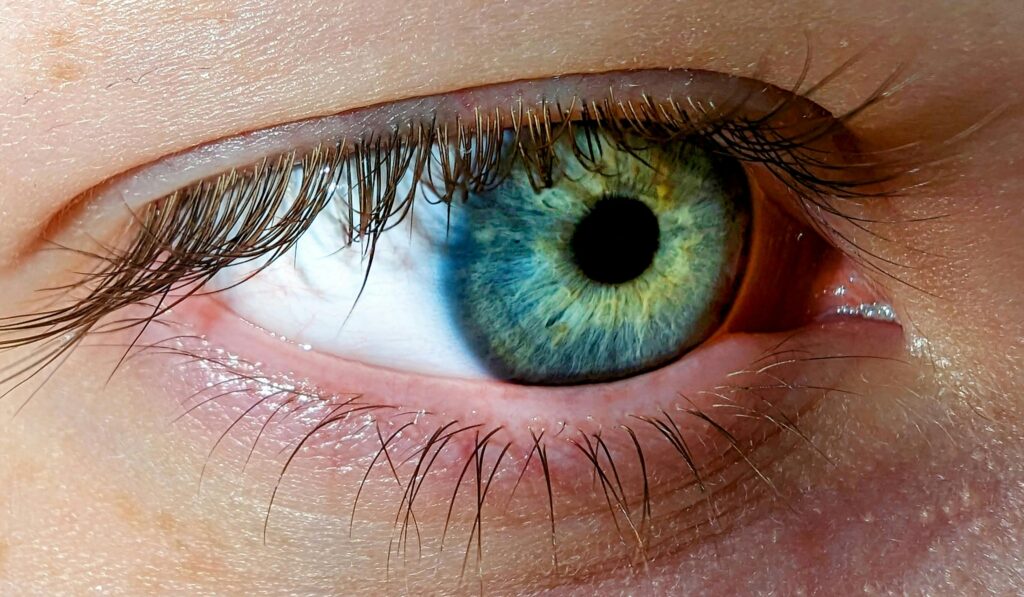
Astigmatism is a common vision condition. It happens when the shape of the eye is not perfectly round.
In a typical eye, the front surface (the cornea) is evenly curved. This allows light to focus clearly on the retina. With astigmatism, the curve is uneven. Light focuses at multiple points instead of one.
This can cause:
- Blurred or distorted vision
- Trouble seeing clearly at night
- Eye strain
- Headaches in some cases
Astigmatism can occur on its own or alongside other vision issues like nearsightedness or farsightedness.
What Causes Astigmatism
Astigmatism is usually related to the shape of the cornea or lens. Most of the time, it is something you are born with. It is not caused by reading, screens, or eye strain.
In some cases, it can change slightly over time. It may also be linked to:
- Eye injuries
- Certain eye conditions
- Changes in the eye with age
But in general, it is a structural issue. That point matters when thinking about exercises.
Can Eye Exercises Improve Astigmatism
This is where most people are looking for a clear answer.
Eye exercises do not change the shape of the cornea or lens. Because astigmatism is caused by that shape, exercises cannot correct it.
This is the main conclusion you will see across reliable sources. Exercises may help with how your eyes feel, but they do not fix the underlying condition.
That said, there is a bit more to it.
What Eye Exercises Can Actually Do
Even though eye exercises do not cure astigmatism, they can still have some value.
They may help with:
- Eye strain from long periods of focus
- Temporary discomfort from screens
- Improving focus flexibility between near and far objects
Examples of common exercises include:
- Looking between near and distant objects
- Taking regular breaks from screens
- Practicing slow, controlled eye movements
These can make your eyes feel more relaxed. But they do not change your prescription.
Why the Idea of Exercises is Popular
The idea that exercises can fix vision is appealing. It feels simple and low effort. There is also a lot of content online suggesting that vision can be “trained” back to normal.
Some of this comes from programs that focus on eye habits rather than structure. While habits can affect comfort, they do not reshape the eye.
That’s why it’s important to separate symptom relief from actual correction.
Proven Ways to Correct Astigmatism
If exercises do not correct astigmatism, what does?
There are a few standard options:
Eyeglasses
Glasses use specially shaped lenses to correct how light enters the eye. This is the most common solution.
Contact lenses
Certain types of contact lenses are designed to correct astigmatism. They sit directly on the eye and adjust focus.
Laser eye surgery
Procedures like LASIK reshape the cornea. This can reduce or eliminate astigmatism in some cases.
These options work because they directly address how light is focused, either externally or by changing the eye’s shape.
Managing Symptoms Day to Day
Even with correction, some people notice mild symptoms at times.
You can reduce discomfort by:
- Taking breaks from screens
- Adjusting lighting conditions
- Keeping screens at a comfortable distance
- Making sure your prescription is up to date
These steps do not change astigmatism, but they help with comfort.
When to See an Eye Care Professional
If you notice changes in your vision, it’s worth getting an eye exam.
Look out for:
- Blurred or distorted vision
- Difficulty seeing at night
- Frequent headaches
- Eye strain that doesn’t go away
An optometrist can measure your vision and determine if astigmatism is present. They can also recommend the right form of correction.
Regular checkups are important, even if your vision seems stable.
Can Astigmatism Get Worse Over Time
Astigmatism can change slightly over time, but it often remains stable for long periods.
Changes may happen due to:
- Natural aging
- Eye conditions
- Changes in overall eye health
This is another reason regular eye exams are useful. They help catch any changes early.
Myths About Eye Exercises and Vision
There are a few common myths worth clearing up.
Myth: Exercises can reshape your eye
The structure of the eye does not change through exercises.
Myth: You can eliminate glasses with training alone
Vision correction usually requires lenses or medical procedures.
Myth: Eye strain causes astigmatism
Astigmatism is not caused by overuse or strain.
Understanding these points helps set realistic expectations.
Where Exercises Still Fit In
Even though exercises do not correct astigmatism, they still have a place.
They can help:
- Reduce fatigue during long work sessions
- Improve comfort when using screens
- Support general eye habits
Think of them as a way to manage how your eyes feel, not how they are shaped.
Taking a Practical Approach
For most people, managing astigmatism is straightforward.
Start with:
- A proper eye exam
- The right prescription if needed
- Simple habits to reduce strain
If you’re interested in exercises, use them as a supplement. Not a replacement for proper care.
That moment I mentioned earlier, sitting in the exam room and asking about exercises, ended up being useful. It clarified what could and couldn’t be changed. Once I understood that, it was easier to focus on what actually worked.
Astigmatism is common. It is manageable. And while exercises can help your eyes feel better, they are not a fix for the condition itself.